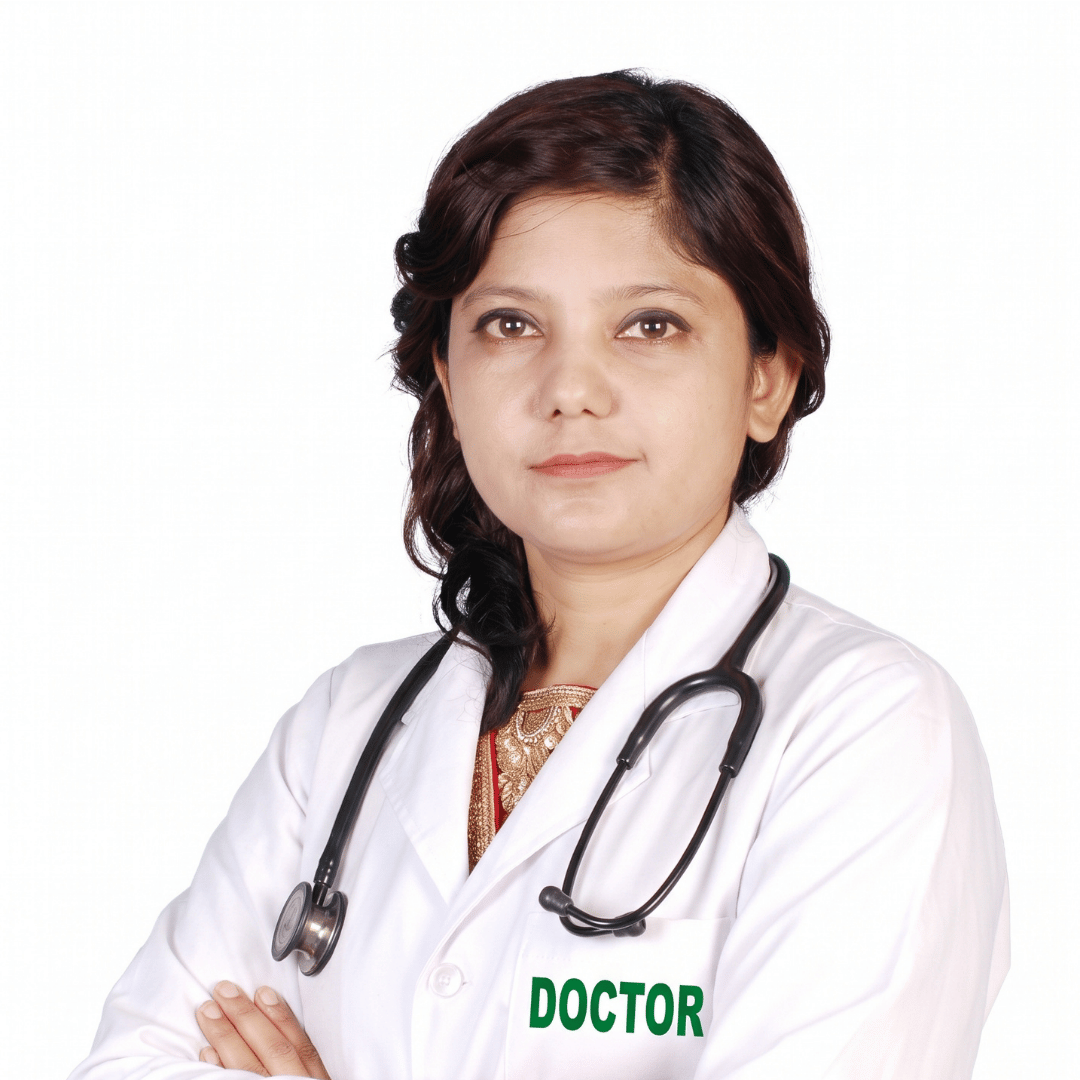

MBBS, BCS (Health), MD (Radiation Oncology)
Cancer Specialist
🎯 Chimeric antigen, Immune effector, Tumor treating, Radioisotope therapy, Oncolytic viral
View Profile →Compare verified Oncology doctors across Khulna Division — degrees, chambers, visiting hours & fees in one place.
An oncologist is a doctor who diagnoses cancer, plans its treatment, and supports patients through and after therapy, working with surgeons, pathologists, radiologists, and nurses as one team. Being told that a lump, a scan or a test result may be cancer is frightening, and many people feel unsure whom to see first or what the next steps are. Understanding what an oncologist does makes the process easier to face and helps you ask clear questions.
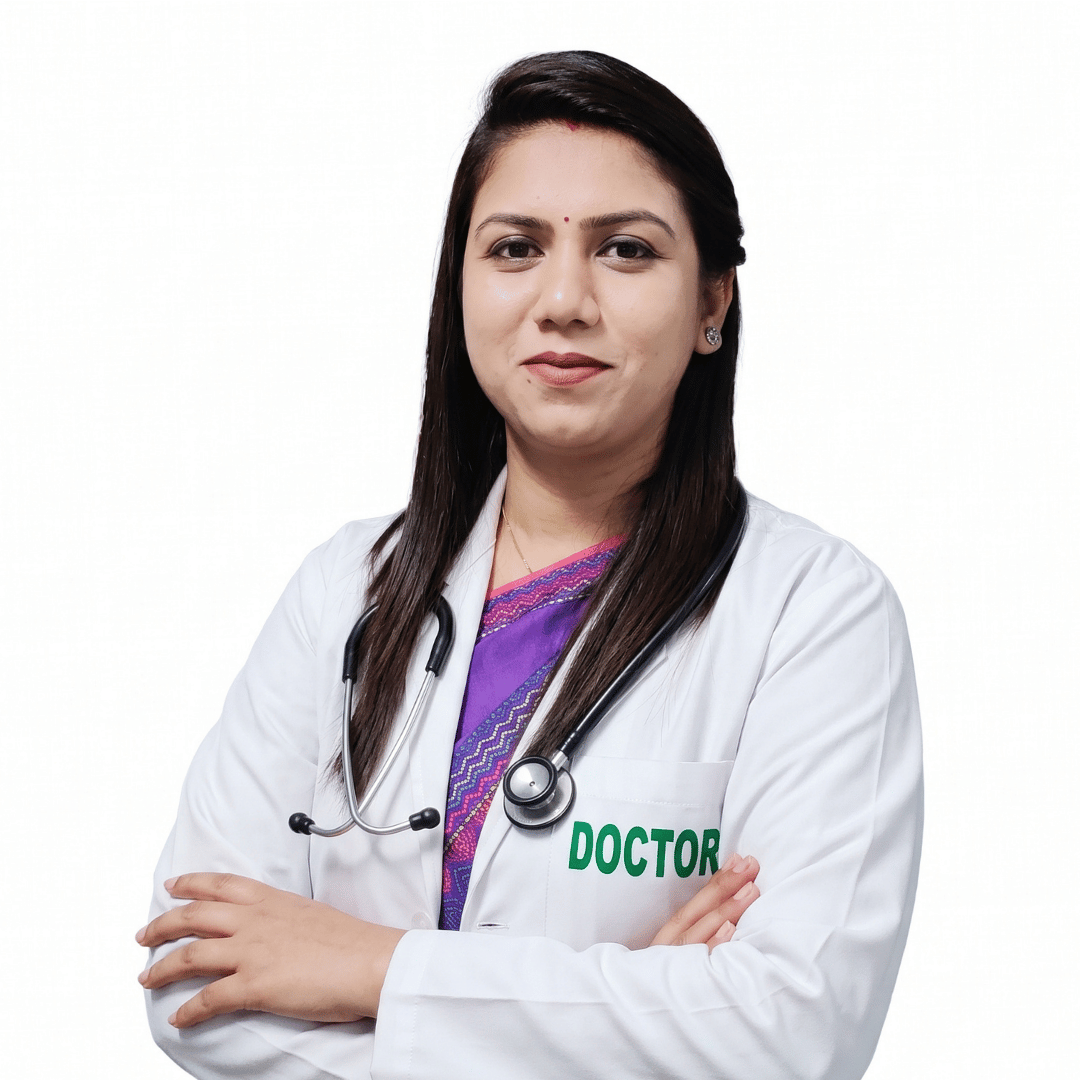
MBBS, BCS (Health), MD (Radiation Oncology)
Cancer Specialist
🎯 Chimeric antigen, Immune effector, Tumor treating, Radioisotope therapy, Oncolytic viral
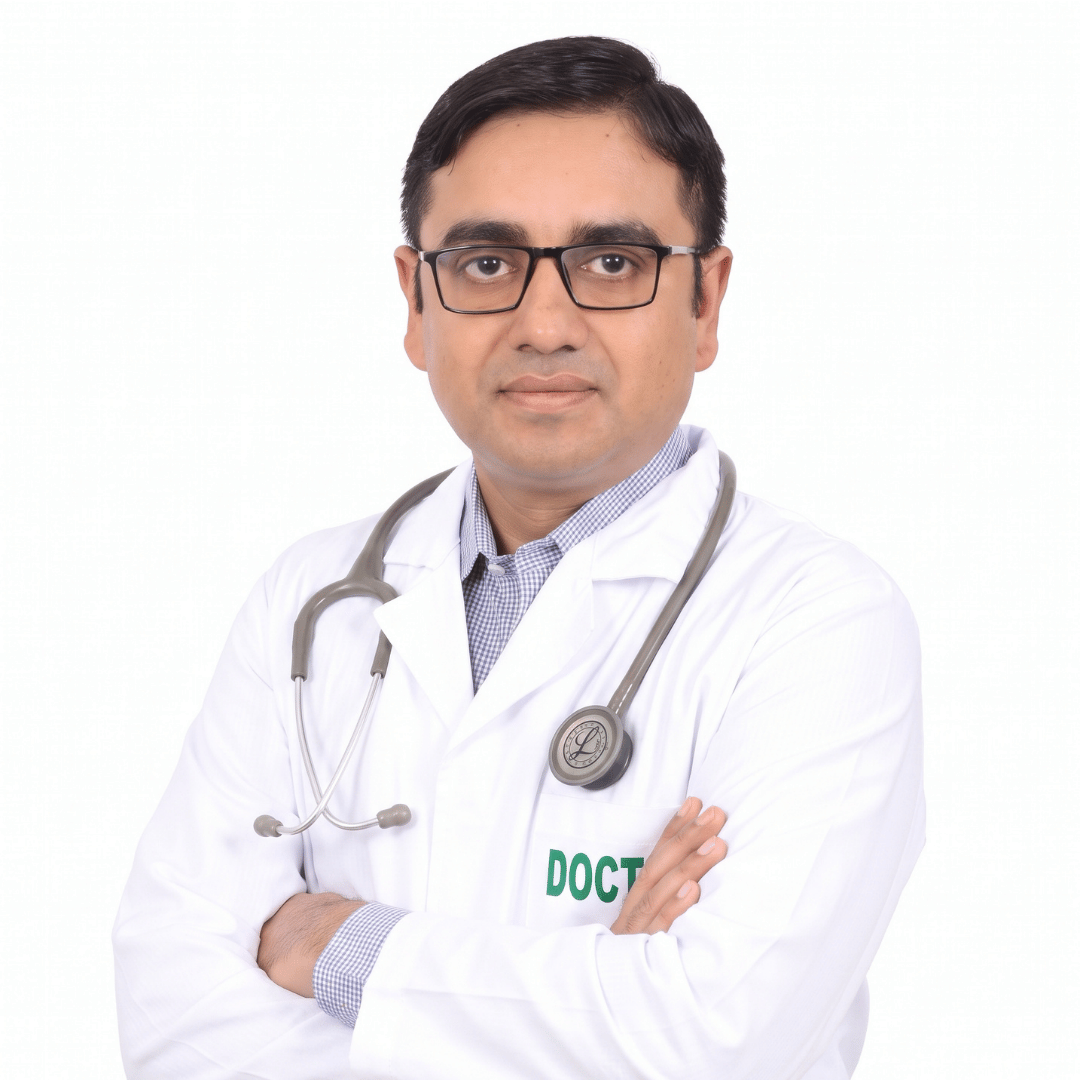
View Profile →MBBS, BCS (Health), MD (Medical Oncology), FCPS (Medicine, Part 2)
Cancer & Medicine Specialist
🎯 Li-Fraumeni syndrome, Multiple endocrine, Von Hippel-Lindau, Hereditary breast, Lynch syndrome
View Profile →MBBS, BCS (Health), MD (Oncology)
Cancer Specialist
🎯 Adrenocortical carcinoma, Thyroid anaplastic, Small cell, Merkel cell, Atypical teratoid
View Profile →MBBS, BCS (Health), MD (Oncology)
Cancer Specialist
🎯 Desmoplastic small, Alveolar soft, Epithelioid hemangioendothelioma, Clear cell, Inflammatory myofibroblastic
View Profile →MBBS, BCS (Health), M.Phil (Radiotherapy)
Cancer Specialist
🎯 Retinoic acid, Tumor lysis, Febrile neutropenia, Superior vena, Spinal cord
View Profile →MBBS, BCS (Health), MD (Oncology)
Clinical Oncologist (Medical & Radiation Oncologist)
Cancer Specialist, Department of Radiation Oncology
🎯 Retinoblastoma management, Neuroblastoma care, Wilms tumor, Rhabdomyosarcoma care, Hepatoblastoma management
View Profile →MBBS, MPhil (Oncology)
Cancer Specialist
🎯 Osteosarcoma management, Ewing sarcoma, Chondrosarcoma care, Chordoma management, Gastrointestinal stromal
View Profile →MBBS (DMC), BCS (Health)
MCPS (Radiotherapy), MD (Radiation Oncology), MACP (USA)
European Society of Medical Oncology Certified Medical Oncologist
Cancer Specialist
🎯 Glioblastoma multiforme, Medulloblastoma care, Ependymoma management, Oligodendroglioma care, Meningioma management
View Profile →MBBS, M.Phil (Oncology), FCPS (Radiotherapy)
Fellow National Cancer Center (Singapore)
Cancer Specialist
🎯 Acute myeloid, Chronic lymphocytic, Multiple myeloma, Hodgkin lymphoma, Diffuse large
View Profile →An oncologist treats cancers of the breast, cervix, mouth and throat, lungs, digestive tract, blood and many other parts of the body using chemotherapy, radiotherapy, targeted drugs and supportive care. This guide explains which changes in the body deserve a prompt check, how cancer is confirmed and staged, how treatment is planned, how side effects are managed and what follow-up involves. It also shows how medical, radiation and surgical oncologists work together. Heavy bleeding, fever during chemotherapy, severe breathlessness or sudden confusion needs a hospital emergency department immediately.
Cancer specialist doctor visits often begin with a mixture of fear and unanswered questions, so this article takes the topic step by step in plain language. It does not replace your own doctor's advice, but it can help you prepare for conversations and decisions.
These signs usually have other causes, but a lasting one should be checked. Keep a short diary with dates, and bring it to your appointment.
Go to a hospital emergency department for these, and do not wait for a routine appointment.
Condition or Situation | Typical Signs | When to See the Specialist |
|---|---|---|
A new or growing lump | A painless lump that does not go away | Have it examined promptly, and see an oncologist when a biopsy or scan suggests cancer |
Lasting change in bowel habit or blood in the stool | Altered stools, tiredness, weight loss | Have it assessed first, then an oncologist if cancer is confirmed |
Persistent cough, hoarseness or difficulty swallowing | Symptoms lasting several weeks | Assessment promptly, with referral if tests are suspicious |
Non-healing mouth sore or patch | A sore or colour change that persists | Prompt examination and biopsy if advised |
Abnormal biopsy or scan reported as cancer | Results indicating a tumour | An oncologist as soon as possible for staging and planning |
Fever or heavy bleeding during treatment | Emergency symptoms | Hospital emergency department |
If you have a lasting symptom, a lump, or a test result that worries you, arrange an assessment and bring your questions with you. Browse the oncologist page and other specialist guides on Specialist Doctor Khulna to find the right doctor for your situation.
Related specialties:
An oncologist diagnoses cancer, explains the stage, plans treatment and follows the patient through and after therapy. The doctor coordinates with surgeons, pathologists and other specialists, and also helps manage symptoms and side effects.
A medical oncologist treats cancer with medicines such as chemotherapy and targeted drugs, a radiation oncologist uses radiotherapy, and a surgical oncologist removes tumours. Many patients see all three as part of one treatment plan.
See a doctor if a lump persists or grows, or if weight loss, tiredness or a lasting change in the body continues without a clear reason. Most such problems have other causes, but they deserve a prompt check.
A biopsy removes a small piece of tissue for examination under a microscope, and it is the test that confirms whether a growth is cancer and what type it is. Imaging can suggest cancer but cannot confirm it on its own.
Staging describes the size of the tumour, whether nearby lymph nodes are involved and whether it has spread elsewhere. It helps the team choose treatment and gives an idea of what to expect.
Chemotherapy uses medicines that travel through the body to reach cancer cells, while radiotherapy uses focused radiation aimed at a specific area. They are sometimes combined, and the choice depends on the type and stage of cancer.
Common effects include tiredness, nausea, hair loss, mouth sores and low blood counts. Supportive medicines, diet advice and careful monitoring reduce many of them, and you should report fever or new symptoms early.
Your oncologist sets the schedule, usually with frequent visits at first and longer gaps over time. Visits include examinations, blood tests and scans to check for recurrence and late effects.
Fever or shivering, heavy bleeding, severe breathlessness, uncontrolled pain, persistent vomiting with inability to drink and sudden confusion need urgent hospital care. Carry the contact details of your treating team at all times.
Bring all reports, scans, biopsy slides or blocks and a list of medicines, and write down your questions. Take a relative or friend who can listen and help remember the discussion.
Pick your district and see live availability with the doctor finder.