
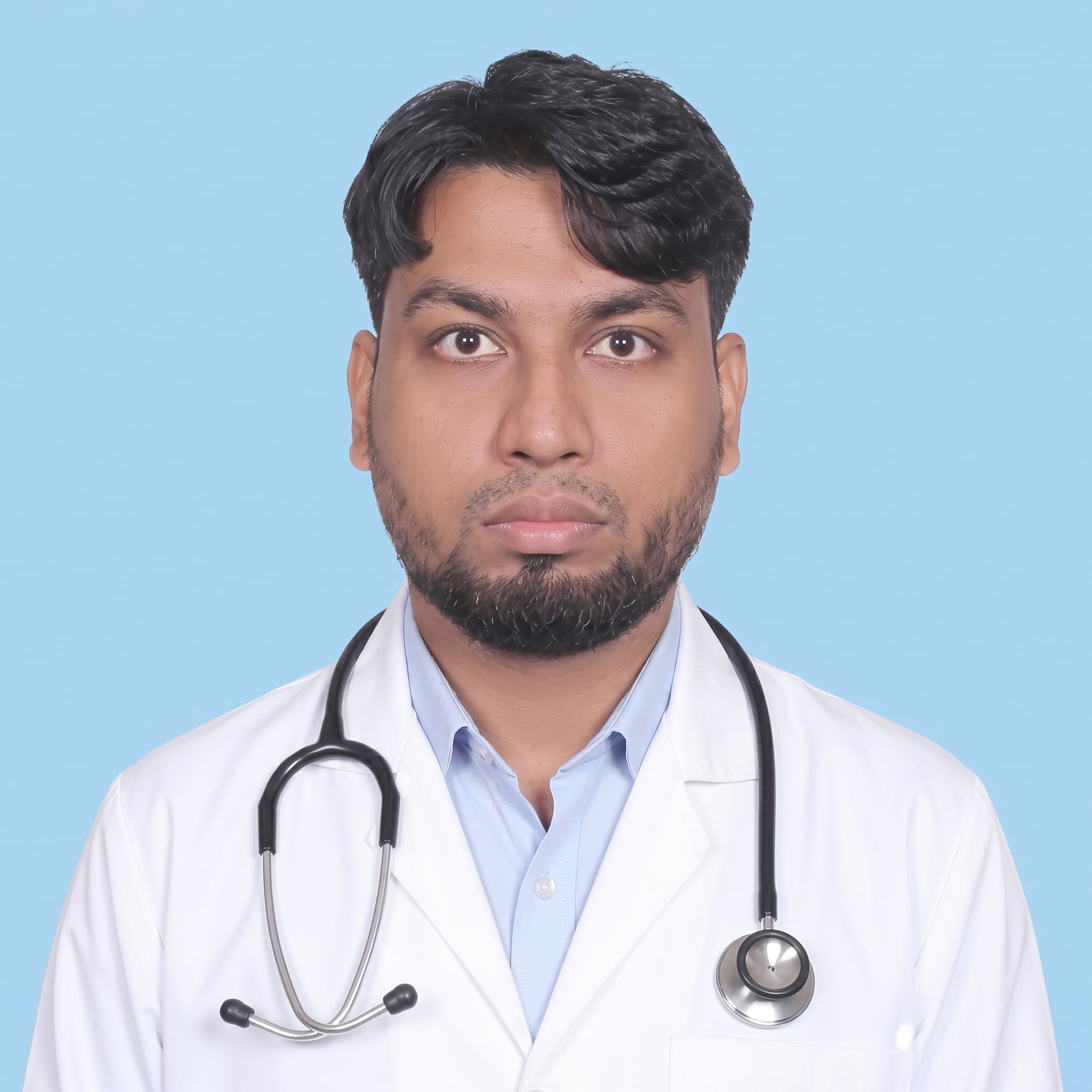
MBBS (RMC), BCS (Health), MD (Gastroenterology), MACP (USA)
Interventional Gastroenterologist & Endoscopist
🎯 Acid reflux, Liver care, Endoscopic procedures, Bowel management, Gastritis treatment
View Profile →Gastroenterologist
MBBS, BCS (Health), MD (GASTRO-BSMMU)
Gastroenterology, Liver Specialist & Interventional Endoscopist
🎯 Expert in treating: Ulcerative colitis, Crohn's disease, Celiac disease, Pancreatitis care, Gastric bleeding
🎓 Assistant Professor, Gastroenterology
🏛️ Shaheed Tajuddin Ahmad Medical College & Hospital
Assistant Professor, Gastroenterology — Shaheed Tajuddin Ahmad Medical College & Hospital
Asst. Prof. Dr. Birendra Nath Saha best Gastroenterologist doctor in Bangladesh delivers specialized diagnostic, therapeutic, and interventional endoscopic care for complex gastrointestinal, inflammatory bowel, and liver conditions. Looking for the best Gastroenterologist, individuals consult him for precise ulcerative colitis management, Crohn's disease evaluations, and advanced interventional endoscopy treatment protocols. His clinical practice spans advanced hepatology, inflammatory bowel disease care, pancreatic disorders, and therapeutic gastrointestinal procedures. He integrates modern interventional gastroenterology with targeted pharmacological therapies to optimize digestive health.
🏥 Labaid Diagnostic, Khulna · Diagnostic Center
📍 House # 15, Road # 12, Sector # 06, Uttara, Dhaka
🕒 Visiting hours: 7:00pm to 9:00pm (Sat, Sun, Tue & Wed)
💳 Consultation fee: ৳800
🏥 Popular Diagnostic Center, Khulna · Diagnostic Center
📍 House # 37, KDA Avenue (Moylapota-Sheikhpara), Khulna
🕒 Visiting hours: 3:00pm to 8:00pm (Only Friday)
💳 Consultation fee: ৳800
Asst. Prof. Dr. Birendra Nath Saha is an Assistant Professor of Gastroenterology at Shaheed Tajuddin Ahmad Medical College & Hospital with over 18 years of distinguished clinical, academic, and hospital experience. As an eminent gastroenterologist, hepatologist, and interventional endoscopist, he provides expert care for ulcerative colitis, Crohn's disease, celiac disease, pancreatitis care, and gastric bleeding emergencies. Patients seeking expert clinical evaluation for digestive and hepatobiliary symptoms receive evidence-based treatments tailored to restore gastrointestinal integrity and systemic wellness. His medical practice combines high-precision clinical gastroenterology with individualized patient care plans.
Asst. Prof. Dr. Birendra Nath Saha completed his MBBS degree, establishing a comprehensive foundation in clinical medicine. He entered the prestigious BCS (Health) cadre and pursued rigorous postgraduate specializations, earning his Doctor of Medicine in Gastroenterology from Bangabandhu Sheikh Mujib Medical University (MD, GASTRO-BSMMU)—a premier postgraduate qualification dedicated to operative and non-operative disorders of the digestive tract, liver, and biliary tree. Finding the top Gastroenterologist and Interventional Endoscopist leads patients to rely on his 18+ years of academic leadership and specialized clinical expertise across premier government medical institutions.
His primary clinical focus includes specialized endoscopic protocols for inflammatory bowel diseases, advanced hepatology care for liver disorders, therapeutic interventions for gastric bleeding, and comprehensive multidisciplinary protocols for celiac disease and pancreatitis management. His diagnostic and therapeutic framework incorporates high-resolution upper GI endoscopy, therapeutic colonoscopy, endoscopic retrograde cholangiopancreatography (ERCP), and comprehensive hepatobiliary blood profiling to formulate effective, long-term care strategies.
| Profile Field | Details |
| Full Name | Asst. Prof. Dr. Birendra Nath Saha |
| Primary Specialty | Gastroenterology & Hepatology |
| Secondary Specialties | Interventional Endoscopy & Inflammatory Bowel Disease |
| Designation | Assistant Professor (Gastroenterology) |
| Workplace | Shaheed Tajuddin Ahmad Medical College & Hospital |
| Total Experience | 18+ Years |
| Location | Bangladesh |
MBBS – Bachelor of Medicine and Bachelor of Surgery
BCS (Health) – Bangladesh Civil Service (Health Cadre)
MD (GASTRO-BSMMU) – Doctor of Medicine in Gastroenterology, Bangabandhu Sheikh Mujib Medical University
Designation: Assistant Professor (Gastroenterology)
Workplace: Department of Gastroenterology, Shaheed Tajuddin Ahmad Medical College & Hospital
Ulcerative colitis causes chronic colon inflammation.
Crohn's disease triggers severe bowel inflammation.
Celiac disease damages small intestinal lining.
Pancreatitis care requires strict nutritional management.
Gastric bleeding demands urgent endoscopic intervention.
Peptic ulcer causes chronic abdominal pain.
Acid reflux triggers painful heartburn episodes.
Liver cirrhosis requires careful hepatic monitoring.
IBS management relieves chronic bowel discomfort.
Gallbladder stones demand precise clinical evaluation.
Chronic hepatitis requires targeted antiviral therapy.
Fatty liver disease needs lifestyle modifications.
Inflammatory bowel disease causes chronic inflammation.
Esophageal varices require specialized endoscopic ligation.
Constipation relief requires dietary fiber optimization.
Asst. Prof. Dr. Birendra Nath Saha provides comprehensive medical, diagnostic, and interventional services across all major fields of gastroenterology, hepatology, and advanced endoscopy.
Inflammatory Bowel Disease (IBD): Comprehensive diagnostic evaluation, mucosal healing protocols, and biologic therapies for ulcerative colitis and Crohn's disease.
Interventional Endoscopy & Hemostasis: Advanced therapeutic endoscopy, variceal band ligation, and urgent hemostasis protocols for acute gastric and intestinal bleeding.
Hepatology & Liver Disease Management: Multidisciplinary medical management for viral hepatitis, liver cirrhosis, fatty liver disease, and hepatobiliary complications.
Pancreatic & Small Intestinal Care: Diagnostic and therapeutic interventions for acute and chronic pancreatitis, celiac disease, and malabsorption syndromes.
High-resolution endoscopic visualization of the large intestine to identify mucosal lesions, excise colonic polyps, and manage gastrointestinal bleeding.
Advanced endoscopic evaluation and therapeutic interventions for esophageal varices, peptic ulcers, gastric bleeding, and stricture dilatations.
Specialized fluoroscopic and endoscopic procedure to diagnose and treat biliary ductal obstructions, gallstones, and pancreatic duct pathologies.
A chronic inflammatory bowel disease causing long-lasting inflammation and ulcers in the innermost lining of the large intestine and rectum.
A type of inflammatory bowel disease that causes chronic inflammation of the digestive tract, potentially affecting any segment from the mouth to the anus.
A critical gastrointestinal emergency characterized by hemorrhage from the stomach lining, requiring immediate endoscopic identification and therapeutic intervention.
Asst. Prof. Dr. Birendra Nath Saha combines meticulous clinical gastroenterological evaluation with advanced interventional modalities such as therapeutic endoscopy and diagnostic imaging. His evidence-based philosophy emphasizes patient education, mucosal healing, and rational pharmacological therapy to restore digestive health and prevent disease recurrence.
Emergency Callout: Immediate emergency medical attention is required if a patient experiences acute severe abdominal pain with rigidity, massive gastrointestinal bleeding (hematemesis or melena), high fever with jaundice, or signs of hepatic encephalopathy.
Member, Bangladesh Medical and Dental Council (BMDC)
Member, Bangladesh Gastroenterology Society (BGS)
Member, Asian Pacific Association for the Study of the Liver (APASL)
Bring all prior endoscopy and colonoscopy reports, histopathology biopsy results, and cross-sectional imaging scans.
Maintain a complete list of current prescription medications, antacids, and past medical history records.
Keep a detailed symptom diary noting abdominal pain triggers, bleeding episodes, or bowel habit changes.
Ensure a family member accompanies the patient to assist with medical history discussions.
Last Modified: October 17, 2026
A therapeutic colonoscopy is indicated for removing colonic polyps, dilating intestinal strictures, and treating lower gastrointestinal bleeding. It allows gastroenterologists to perform precise interventions directly within the large intestine during visualization. This procedure combines diagnostic accuracy with immediate therapeutic capability.
Ulcerative colitis primarily affects the innermost mucosal lining of the colon and rectum in a continuous pattern. In contrast, Crohn's disease can cause transmural inflammation anywhere along the entire gastrointestinal tract from mouth to anus with skip lesions. Specialists utilize colonoscopy, mucosal biopsies, and cross-sectional imaging to differentiate these inflammatory bowel conditions accurately.
Acute gastric bleeding is managed using advanced therapeutic endoscopy techniques such as thermal coagulation, hemoclip placement, and variceal band ligation. These interventions allow gastroenterologists to stop active hemorrhage rapidly without requiring open abdominal surgery. Continuous monitoring and endoscopic surveillance ensure complete vessel obliteration.
Celiac disease triggers an immune reaction to dietary gluten that damages the tiny finger-like villi lining the small intestine, impairing nutrient absorption. Diagnosis involves specific serological antibody blood tests followed by an upper GI endoscopy with duodenal biopsies to confirm mucosal flattening. Strict lifelong adherence to a gluten-free diet is the cornerstone of management.
Chronic pancreatitis management requires comprehensive pain control, pancreatic enzyme replacement therapy, and specialized medical nutritional support to prevent malnutrition. Patients must strictly abstain from alcohol and tobacco to halt further pancreatic tissue destruction. Regular monitoring helps manage complications such as diabetes and exocrine insufficiency.
Interventional endoscopy offers a minimally invasive approach utilizing natural gastrointestinal orifices, eliminating the need for large external surgical incisions. This technique significantly reduces post-operative pain, lowers infection risks, and ensures much shorter hospital recovery times. Patients can resume their normal activities much faster following advanced endoscopic procedures.
Biologic therapies target specific immune system proteins responsible for driving chronic inflammation in refractory inflammatory bowel disease. By neutralizing these inflammatory pathways, biologics induce and maintain mucosal healing when conventional immunosuppressants fail. Gastroenterologists carefully monitor patients during biologic therapy to ensure maximum efficacy and safety.
Patients preparing for an advanced diagnostic enteroscopy must follow a strict clear liquid diet and complete a bowel preparation regimen as prescribed by their physician. They should also inform their gastroenterologist of all current medications, especially blood thinners, which may need temporary adjustment. Arriving with a companion is essential due to sedation protocols.
Patients should bring all prior endoscopy and colonoscopy reports, histopathology biopsy results, cross-sectional imaging scans, and previous prescription records. Providing a comprehensive list of current medications and a detailed symptom timeline is equally important. Having these medical records enables Dr. Saha to perform an efficient evaluation and design a tailored treatment plan.
No reviews yet — be the first to write one.
MBBS (RMC), BCS (Health), MD (Gastroenterology), MACP (USA)
Interventional Gastroenterologist & Endoscopist
🎯 Acid reflux, Liver care, Endoscopic procedures, Bowel management, Gastritis treatment
View Profile →MBBS (RMC), MD (Gastroenterology)
Gastroenterology, Pancreas & Liver Medicine Specialist
🎯 Peptic ulcer, Acid reflux, Liver cirrhosis, IBS management, Gallbladder stones
View Profile →MBBS (DMC), BCS (Health), MD (Gastroenterology), MCPS (Medicine)
Gastroenterology, Liver Diseases & Medicine Specialist
🎯 Ulcerative colitis, Crohn's disease, Celiac disease, Pancreatitis care, Gastric bleeding
View Profile →MBBS, MD (Pediatric Gastroenterology)
Child Diseases, Child Gastro-Liver, Food & Nutrition Specialist
🎯 Hepatitis B, Fatty liver, Colorectal polyps, Constipation relief, Esophageal spasm
View Profile →MBBS, BCS (Health), MD (Gastroenterology)
Gastroenterology, Liver & Pancreatic Medicine Specialist
🎯 Pancreatitis care, Liver care, IBS relief, Bloating treatment, Hepatitis B, Abdominal pain
View Profile →MBBS, FPGCS (CO in Gastroenterology)
Gastroenterology, Liver Diseases & Medicine Specialist
🎯 Liver cirrhosis, Jaundice care, Chronic hepatitis, Digestive disorders, Gastric pain
View Profile →MBBS (Dhaka), BCS (Health), MD (Gastroenterology)
FCPS (Medicine, FP)
Gastroenterology, Liver & Medicine Specialist
🎯 Acid reflux, Stomach ulcers, Fatty liver, Constipation relief, Gallbladder stones
View Profile →MBBS, FCGP, MSc (CSI)
Gastroenterology, Hepatologist-Liver, Medicine Specialist
🎯 Stomach ulcers, Acid reflux, Endoscopy care, IBS treatment, Colonoscopy screening
View Profile →All Gastroenterologist doctors in Khulna → · All of Khulna Division →