
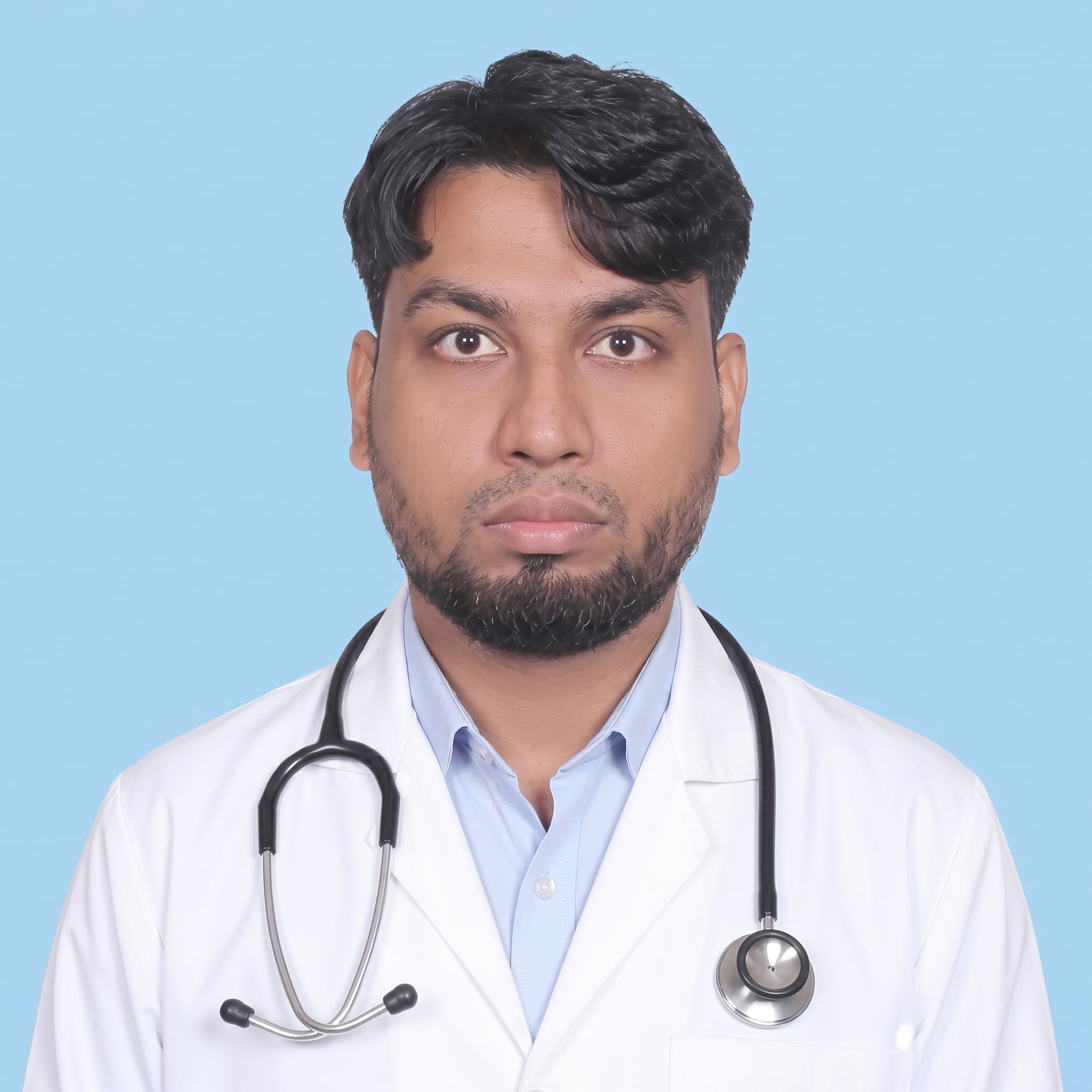
MBBS (RMC), BCS (Health), MD (Gastroenterology), MACP (USA)
Interventional Gastroenterologist & Endoscopist
🎯 Acid reflux, Liver care, Endoscopic procedures, Bowel management, Gastritis treatment
View Profile →Gastroenterologist
MBBS (RMC), MD (Gastroenterology)
Gastroenterology, Pancreas & Liver Medicine Specialist
🎯 Expert in treating: Peptic ulcer, Acid reflux, Liver cirrhosis, IBS management, Gallbladder stones
🎓 Assistant Professor, Gastroenterology
🏛️ Khulna Medical College & Hospital, Khulna
Assistant Professor, Gastroenterology — Khulna Medical College & Hospital, Khulna
Asst. Prof. Dr. Shahidul Hassan Shaheen best Gastroenterologist doctor in Khulna City delivers specialized diagnostic and clinical care for complex gastrointestinal, liver, pancreatic, and metabolic conditions. Looking for the best Gastroenterologist in Khulna, individuals consult him for precise peptic ulcer evaluations, acid reflux management, and advanced liver cirrhosis care protocols. His clinical practice spans adult gastroenterology, hepatology, irritable bowel syndrome (IBS) management, and gallbladder stone evaluations. He integrates modern gastrointestinal diagnostics with targeted pharmacological therapies to optimize digestive health.
🏥 Islami Bank Hospital, Khulna · Private Hospital
📍 42, Khan Jahan Ali Road, Shantidham Mor, Khulna
🕒 Visiting hours: 6:30pm to 9:00pm (Closed: Friday)
💳 Consultation fee: ৳800
🏥 Popular Diagnostic Center, Khulna · Diagnostic Center
📍 House # 37, KDA Avenue (Moylapota-Sheikhpara), Khulna
🕒 Visiting hours: 7:30pm to 8:30pm (Closed: Friday)
💳 Consultation fee: ৳800
Asst. Prof. Dr. Shahidul Hassan Shaheen is an Assistant Professor of Gastroenterology at Khulna Medical College & Hospital, Khulna with over 25 years of distinguished clinical, academic, and hospital experience. As an eminent gastroenterologist, hepatologist, and pancreas specialist, he provides expert care for peptic ulcers, acid reflux, liver cirrhosis, irritable bowel syndrome (IBS), and gallbladder stones. Patients seeking expert clinical evaluation for digestive and hepatobiliary symptoms receive evidence-based treatments tailored to restore gastrointestinal integrity and systemic wellness. His medical practice combines high-precision clinical gastroenterology with individualized patient care plans.
Asst. Prof. Dr. Shahidul Hassan Shaheen completed his MBBS degree from Rajshahi Medical College (RMC), establishing a comprehensive foundation in clinical medicine. He pursued rigorous postgraduate specializations, earning his Doctor of Medicine (MD) in Gastroenterology—a specialized postgraduate qualification dedicated to operative and non-operative disorders of the digestive tract, liver, and biliary tree. Finding the best Gastroenterologist in Khulna or a top Liver Specialist leads patients to rely on his 25+ years of academic leadership and specialized clinical expertise across premier government medical institutions.
His primary clinical focus includes specialized endoscopic protocols for peptic ulcers and acid reflux management, advanced hepatology care for liver cirrhosis and chronic hepatitis, comprehensive multidisciplinary protocols for IBS management, and diagnostic evaluations for gallbladder stones and biliary disorders. His diagnostic framework incorporates high-resolution upper GI endoscopy, colonoscopy, abdominal ultrasonography, and comprehensive hepatobiliary blood profiling to formulate effective, long-term care strategies.
| Profile Field | Details |
| Full Name | Asst. Prof. Dr. Shahidul Hassan Shaheen |
| Primary Specialty | Gastroenterology & Hepatology |
| Secondary Specialties | Pancreas, Liver Medicine & Endoscopy |
| Designation | Assistant Professor (Gastroenterology) |
| Workplace | Khulna Medical College & Hospital, Khulna |
| Total Experience | 25+ Years |
| Location | Khulna, Bangladesh |
MBBS (RMC) – Bachelor of Medicine and Bachelor of Surgery, Rajshahi Medical College
MD (Gastroenterology) – Doctor of Medicine in Gastroenterology
Designation: Assistant Professor (Gastroenterology)
Workplace: Department of Gastroenterology, Khulna Medical College & Hospital, Khulna
Peptic ulcer causes chronic abdominal pain.
Acid reflux triggers painful heartburn episodes.
Liver cirrhosis requires careful hepatic monitoring.
IBS management relieves chronic bowel discomfort.
Gallbladder stones demand precise clinical evaluation.
Chronic hepatitis requires targeted antiviral therapy.
Fatty liver disease needs lifestyle modifications.
Gastrointestinal bleeding demands urgent endoscopic care.
Inflammatory bowel disease causes chronic inflammation.
Pancreatitis requires structured medical nutritional support.
Celiac disease demands strict gluten avoidance.
Esophageal varices require specialized endoscopic ligation.
Constipation relief requires dietary fiber optimization.
Chronic diarrhea needs thorough diagnostic workup.
Ascites management requires precise fluid restriction.
Asst. Prof. Dr. Shahidul Hassan Shaheen provides comprehensive medical, diagnostic, and endoscopic services across all major fields of gastroenterology, hepatology, and pancreatic medicine.
Peptic Ulcer & Acid Reflux Care: Endoscopic evaluation, H. pylori eradication protocols, and proton pump inhibitor therapies for peptic ulcers, gastritis, and GERD.
Hepatology & Liver Cirrhosis Management: Comprehensive diagnostic and therapeutic care for chronic liver disease, viral hepatitis, fatty liver, and cirrhosis complications.
Irritable Bowel Syndrome & Motility Care: Multidisciplinary management for IBS, chronic constipation, diarrhea, and functional gastrointestinal motility disorders.
Pancreatic & Biliary Tract Care: Diagnostic evaluations and medical management for acute and chronic pancreatitis, gallbladder stones, and biliary ductal disorders.
High-resolution visualization of the esophagus, stomach, and duodenum to diagnose mucosal inflammation, bleeding ulcers, and perform therapeutic hemostasis.
Endoscopic examination of the large intestine to detect colonic polyps, inflammatory bowel disease, mucosal lesions, and early neoplastic changes.
Non-invasive imaging evaluation of the liver parenchyma, gallbladder, pancreas, and biliary tree to detect structural pathologies and portal hypertension.
Sores that develop on the inner lining of the stomach, small intestine, or esophagus, frequently triggered by bacterial infection or chronic NSAID usage.
Late-stage scarring of the liver tissue resulting from chronic hepatobiliary conditions, leading to impaired liver function, portal hypertension, and ascites formation.
A common functional gastrointestinal disorder affecting the large intestine, causing chronic abdominal cramping, bloating, gas, and alternating bowel habits.
Asst. Prof. Dr. Shahidul Hassan Shaheen combines meticulous clinical gastroenterological evaluation with advanced diagnostic modalities such as upper GI endoscopy and abdominal imaging. His evidence-based philosophy emphasizes patient education, dietary modifications, and rational pharmacological therapy to restore digestive health and prevent disease recurrence.
Emergency Callout: Immediate emergency medical attention is required if a patient experiences acute severe abdominal pain with rigidity, massive gastrointestinal bleeding (hematemesis or melena), high fever with jaundice, or signs of hepatic encephalopathy.
Member, Bangladesh Medical and Dental Council (BMDC)
Member, Bangladesh Gastroenterology Society (BGS)
Member, Association of Physicians of Bangladesh (APB)
Bring all prior upper GI endoscopy reports, colonoscopy findings, liver function tests, and abdominal imaging scans.
Maintain a complete list of current prescription medications, antacids, and past medical history records.
Keep a detailed symptom diary noting abdominal pain triggers, heartburn frequency, or bowel habit changes.
Ensure a family member accompanies the patient to assist with medical history discussions.
Last Modified: October 17, 2026
An upper GI endoscopy is indicated when patients experience persistent upper abdominal pain, chronic acid reflux unresponsive to medications, unexplained difficulty swallowing, or recurrent vomiting. It is also essential for investigating gastrointestinal bleeding and screening for mucosal abnormalities. Prompt endoscopic evaluation allows specialists to diagnose ulcers, gastritis, or early malignancies accurately.
Managing liver cirrhosis involves treating the underlying cause, such as viral hepatitis or alcohol cessation, alongside preventative care for portal hypertension and variceal bleeding. Regular surveillance via ultrasound and blood tests helps detect complications like liver cancer or ascites early. Dietary sodium restriction and targeted diuretic therapy further stabilize hepatic function.
Controlling chronic acid reflux requires avoiding trigger foods such as caffeine, spicy dishes, citrus fruits, and fatty meals that relax the lower esophageal sphincter. Patients should maintain an upright posture for at least two to three hours after eating and elevate the head of their bed. Weight management and smoking cessation also significantly reduce reflux frequency.
Irritable bowel syndrome (IBS) is a functional disorder that alters bowel habits and causes abdominal discomfort without causing structural tissue damage or inflammation. In contrast, inflammatory bowel disease (IBD)—such as Crohn's disease or ulcerative colitis—is a chronic organic condition characterized by severe immune-mediated inflammation and tissue destruction. Gastroenterologists utilize colonoscopies and biopsies to differentiate these conditions.
H. pylori is a spiral-shaped bacterium that colonizes the gastric mucosa, weakening the protective mucous lining and predisposing the stomach and duodenum to acid damage. Eradicating this bacterial infection using a targeted combination of antibiotics and proton pump inhibitors is essential for healing peptic ulcers and preventing recurrence. Testing for H. pylori is standard practice during ulcer evaluations.
Gallbladder stones are often asymptomatic (silent stones) and discovered incidentally during routine abdominal imaging, requiring no immediate treatment. However, intervention becomes necessary when stones obstruct the biliary duct, causing severe biliary colic, acute cholecystitis, or pancreatitis. Symptomatic gallstones typically necessitate surgical evaluation or medical dissolution therapies.
Non-alcoholic fatty liver disease involves fat accumulation in the liver, which can progress to non-alcoholic steatohepatitis (NASH) characterized by chronic inflammation and cellular injury. Over time, persistent inflammation can lead to progressive fibrosis, cirrhosis, and liver failure. Early lifestyle interventions focusing on weight loss and metabolic control halt this disease progression.
Following a diagnostic colonoscopy, patients may experience mild bloating or gas due to air introduced during the procedure, which resolves quickly with normal ambulation. They can resume their normal diet gradually unless instructed otherwise by their gastroenterologist. If heavy rectal bleeding, severe abdominal pain, or high fever occurs, immediate medical attention must be sought.
Patients should bring all prior endoscopy and colonoscopy reports, abdominal ultrasound or CT scan films, recent liver function tests, and previous prescription records. Providing a comprehensive list of current medications and a written timeline of gastrointestinal symptoms is equally important. Having these records enables Dr. Shaheen to perform an efficient evaluation and design a tailored treatment plan.
No reviews yet — be the first to write one.
MBBS (RMC), BCS (Health), MD (Gastroenterology), MACP (USA)
Interventional Gastroenterologist & Endoscopist
🎯 Acid reflux, Liver care, Endoscopic procedures, Bowel management, Gastritis treatment
View Profile →MBBS, BCS (Health), MD (GASTRO-BSMMU)
Gastroenterology, Liver Specialist & Interventional Endoscopist
🎯 Ulcerative colitis, Crohn's disease, Celiac disease, Pancreatitis care, Gastric bleeding
View Profile →MBBS (DMC), BCS (Health), MD (Gastroenterology), MCPS (Medicine)
Gastroenterology, Liver Diseases & Medicine Specialist
🎯 Ulcerative colitis, Crohn's disease, Celiac disease, Pancreatitis care, Gastric bleeding
View Profile →MBBS, MD (Pediatric Gastroenterology)
Child Diseases, Child Gastro-Liver, Food & Nutrition Specialist
🎯 Hepatitis B, Fatty liver, Colorectal polyps, Constipation relief, Esophageal spasm
View Profile →MBBS, BCS (Health), MD (Gastroenterology)
Gastroenterology, Liver & Pancreatic Medicine Specialist
🎯 Pancreatitis care, Liver care, IBS relief, Bloating treatment, Hepatitis B, Abdominal pain
View Profile →MBBS, FPGCS (CO in Gastroenterology)
Gastroenterology, Liver Diseases & Medicine Specialist
🎯 Liver cirrhosis, Jaundice care, Chronic hepatitis, Digestive disorders, Gastric pain
View Profile →MBBS (Dhaka), BCS (Health), MD (Gastroenterology)
FCPS (Medicine, FP)
Gastroenterology, Liver & Medicine Specialist
🎯 Acid reflux, Stomach ulcers, Fatty liver, Constipation relief, Gallbladder stones
View Profile →MBBS, FCGP, MSc (CSI)
Gastroenterology, Hepatologist-Liver, Medicine Specialist
🎯 Stomach ulcers, Acid reflux, Endoscopy care, IBS treatment, Colonoscopy screening
View Profile →All Gastroenterologist doctors in Khulna → · All of Khulna Division →